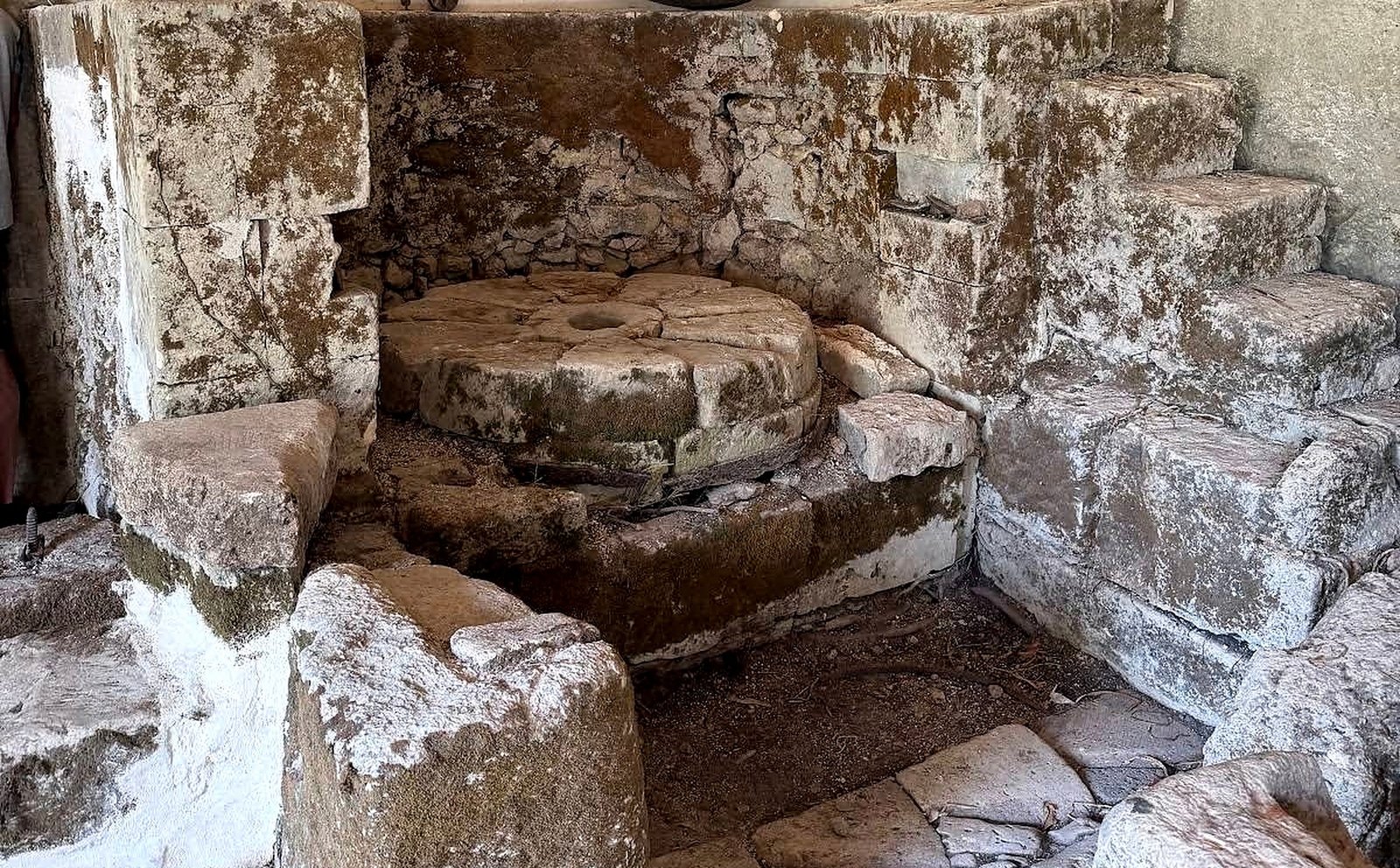
The great millstone resting in its stone bed inside the mill
IT|EN
MUSEUM OF AGRICULTURAL CIVILIZATION COUNTRY LIFE, ART & CRAFT
SICILY · AN EDUCATIONAL MUSEUM

The first sack of wheat
returns to the old mill
after 150 years.
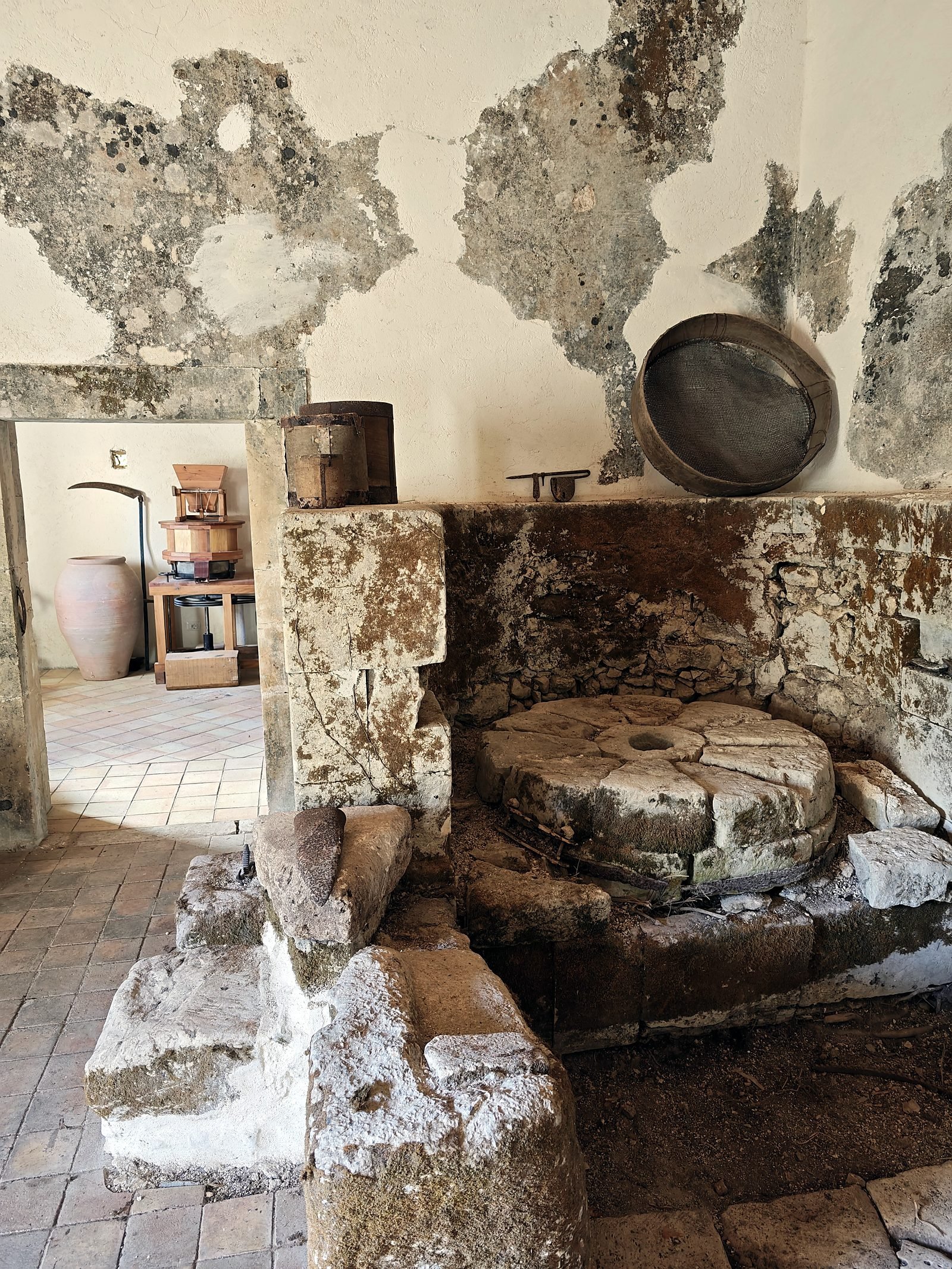
Through a doorway, the old stone room in front and the restored electric mill beyond PLAY THE FILM
THE OLD MILL

Behind the wall and the gate.

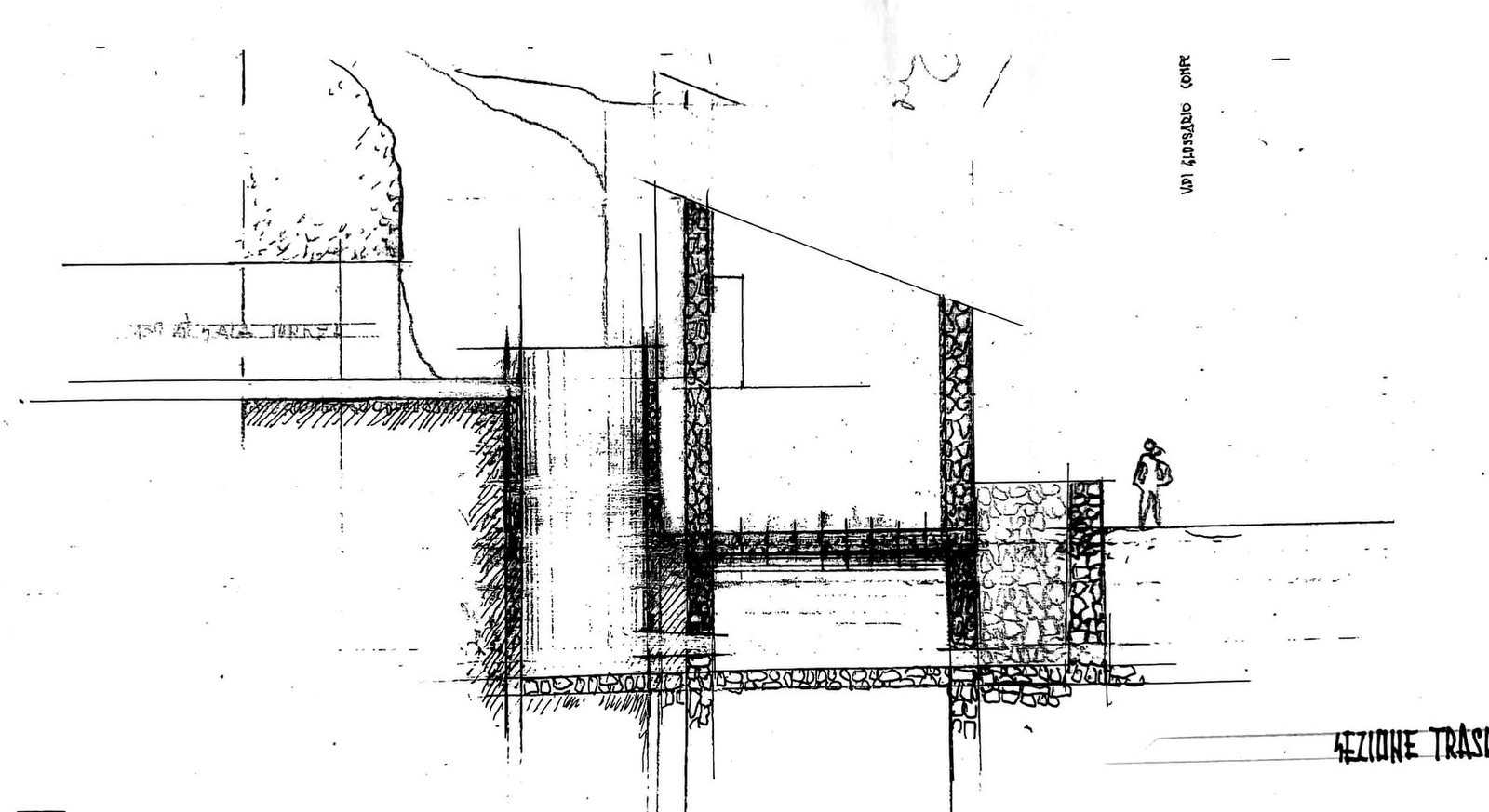
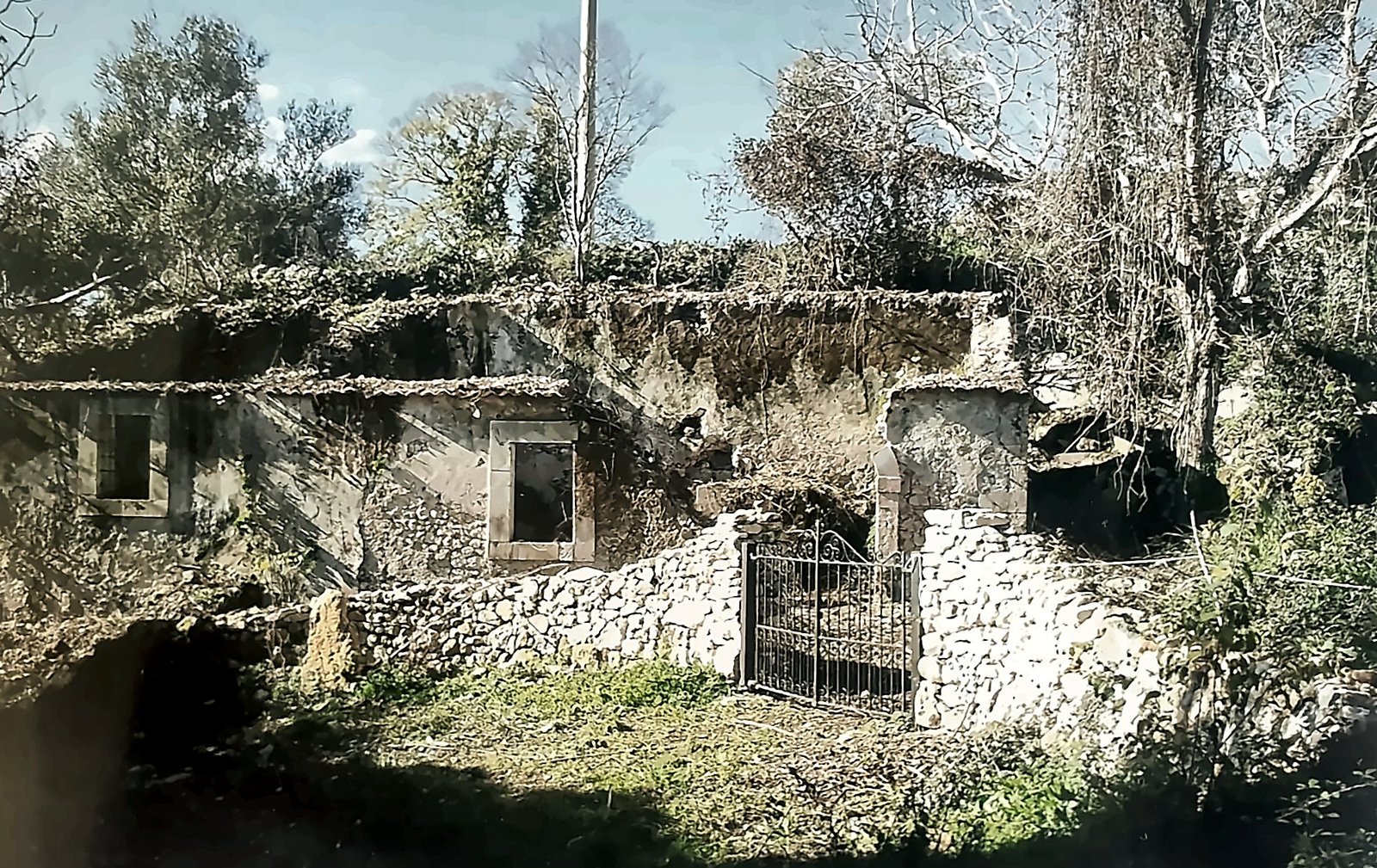
This is how the mill stood for decades: roofless, closed behind an iron gate and a long dry stone wall. The drawing behind shows it in section, measured by hand before the restoration.
THE MILL IN SECTION, DRAWN BY HAND
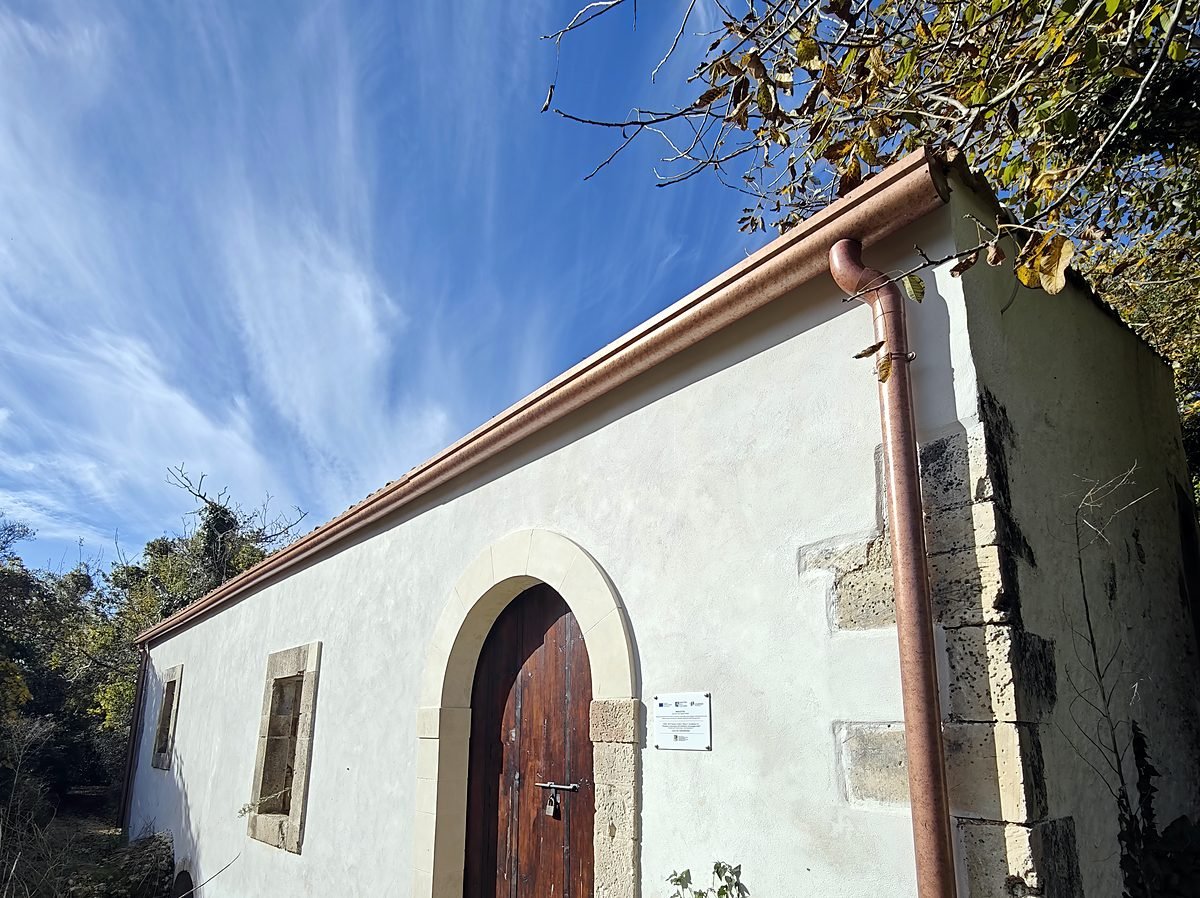
The mill after the restoration, with its arched wooden door The old mill before the restoration, behind a long dry stone wall and a closed iron gate
↔
BEFORE AFTER
BEFORE AND AFTER THE RESTORATION · SLIDE TO COMPARE
BEFORE AND AFTER

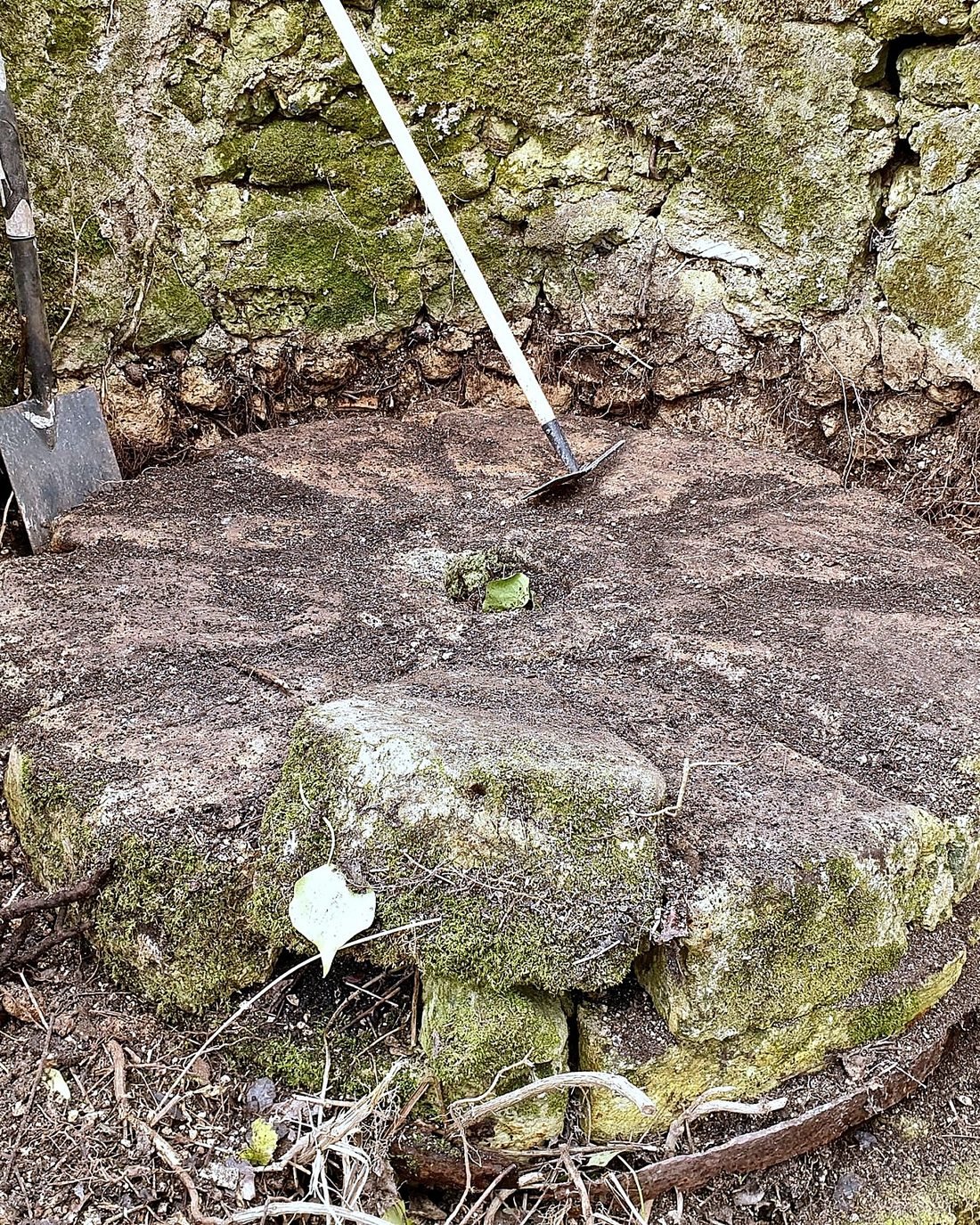
The old stone

Under the soil, then cleaned by hand. Slide to see it come back to light.
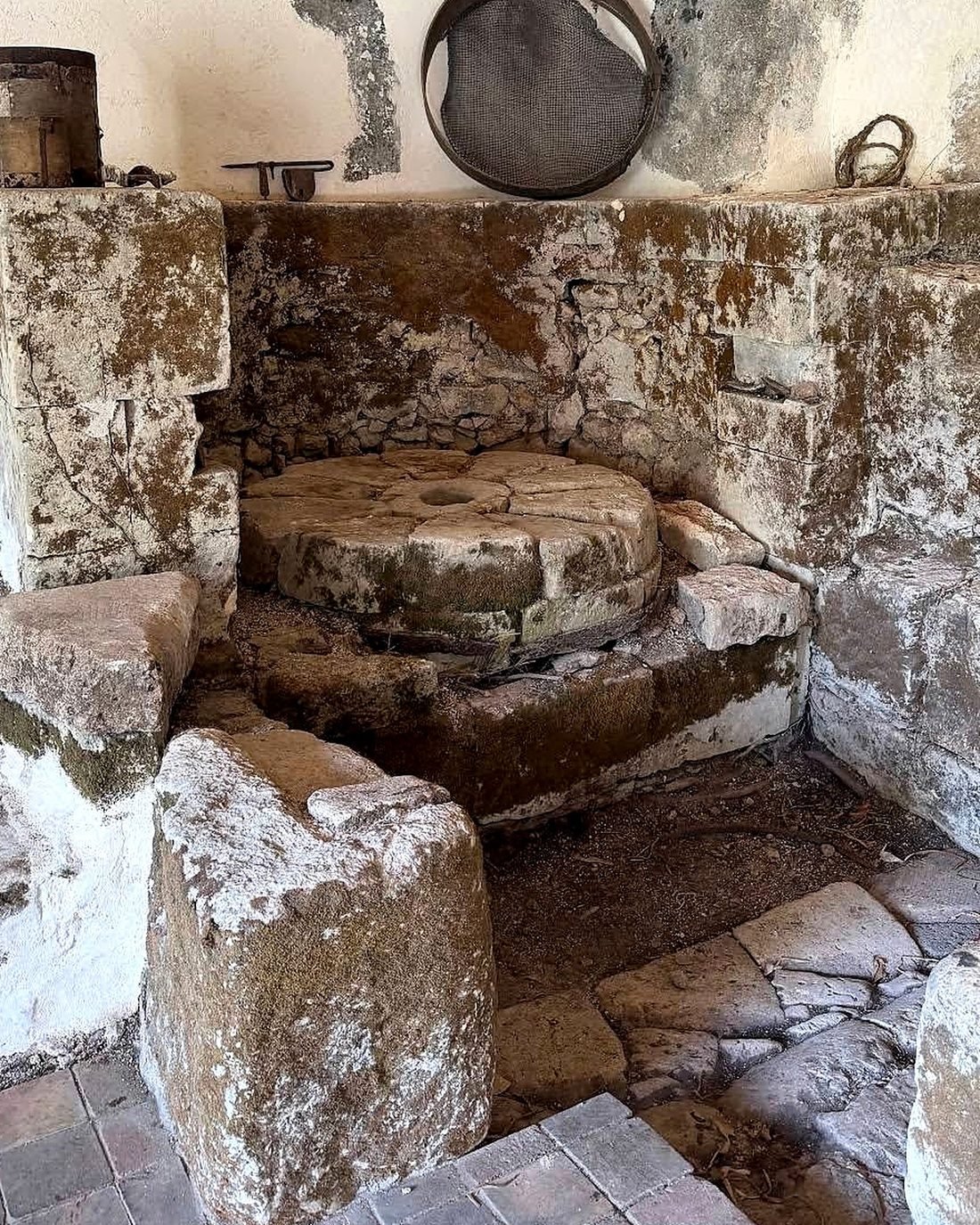
The millstone cleaned The millstone covered by soil
↔
BEFORE AFTER
ITHE WATER MILL · 1700s

Built where the water fell.

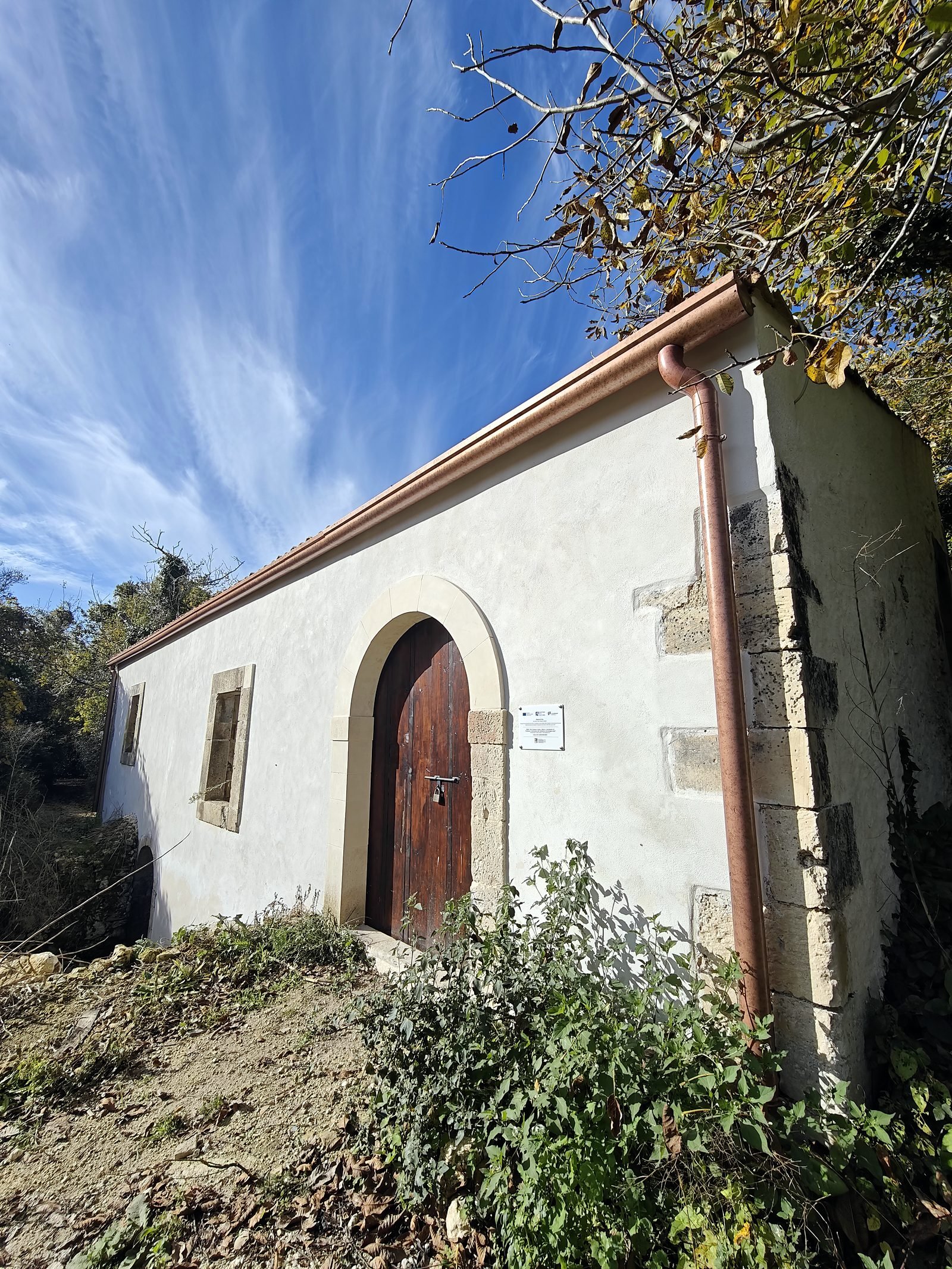
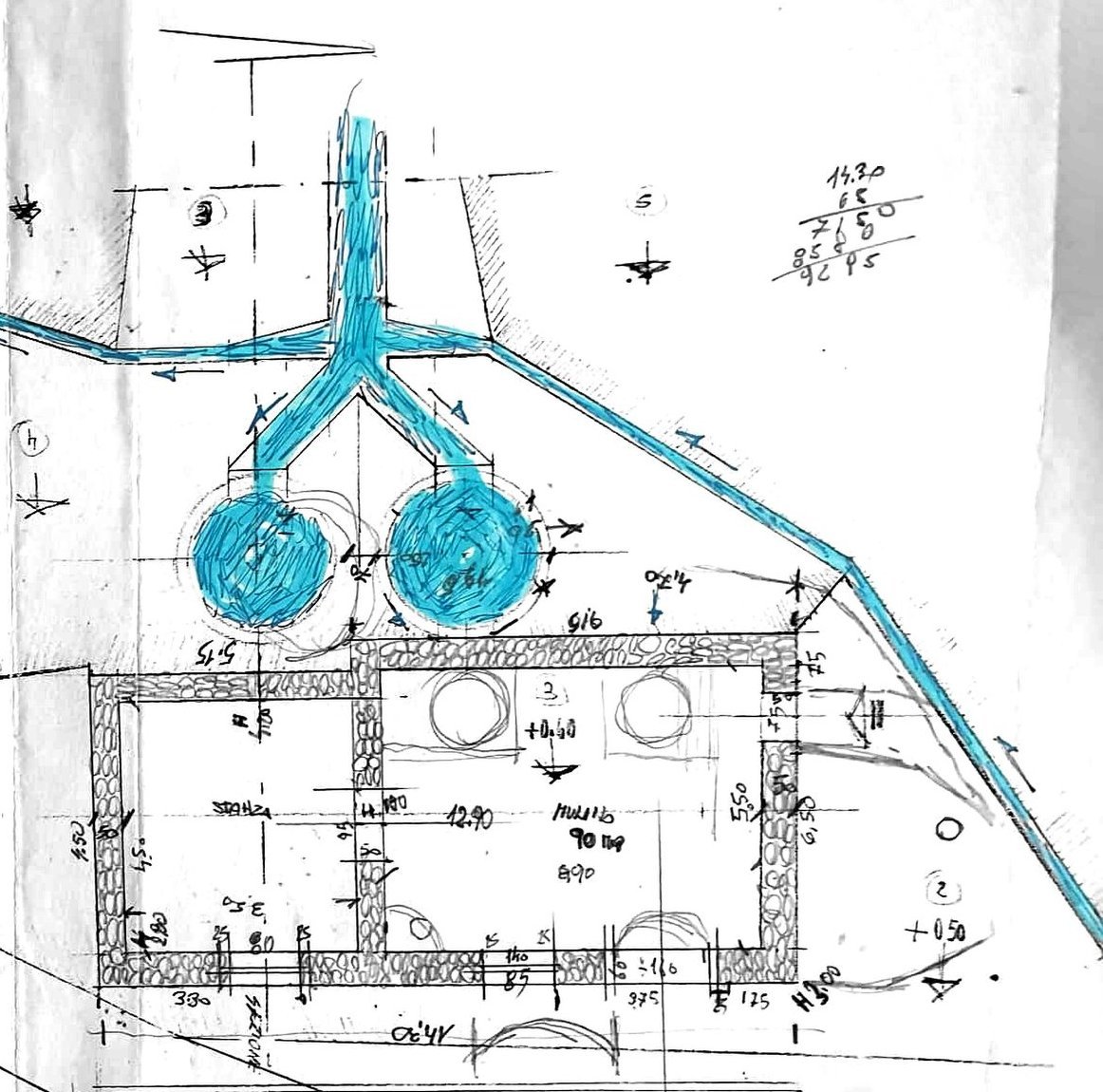
The building we see dates from the 1700s, over foundations of far older origin, Roman and perhaps Greek. The water once fell behind the wall, turned the stone and left through an arch. Today it no longer flows, and the stones rest. Before anything was moved, the mill was measured and drawn by hand.

EXPLORE THE WATER MILL →
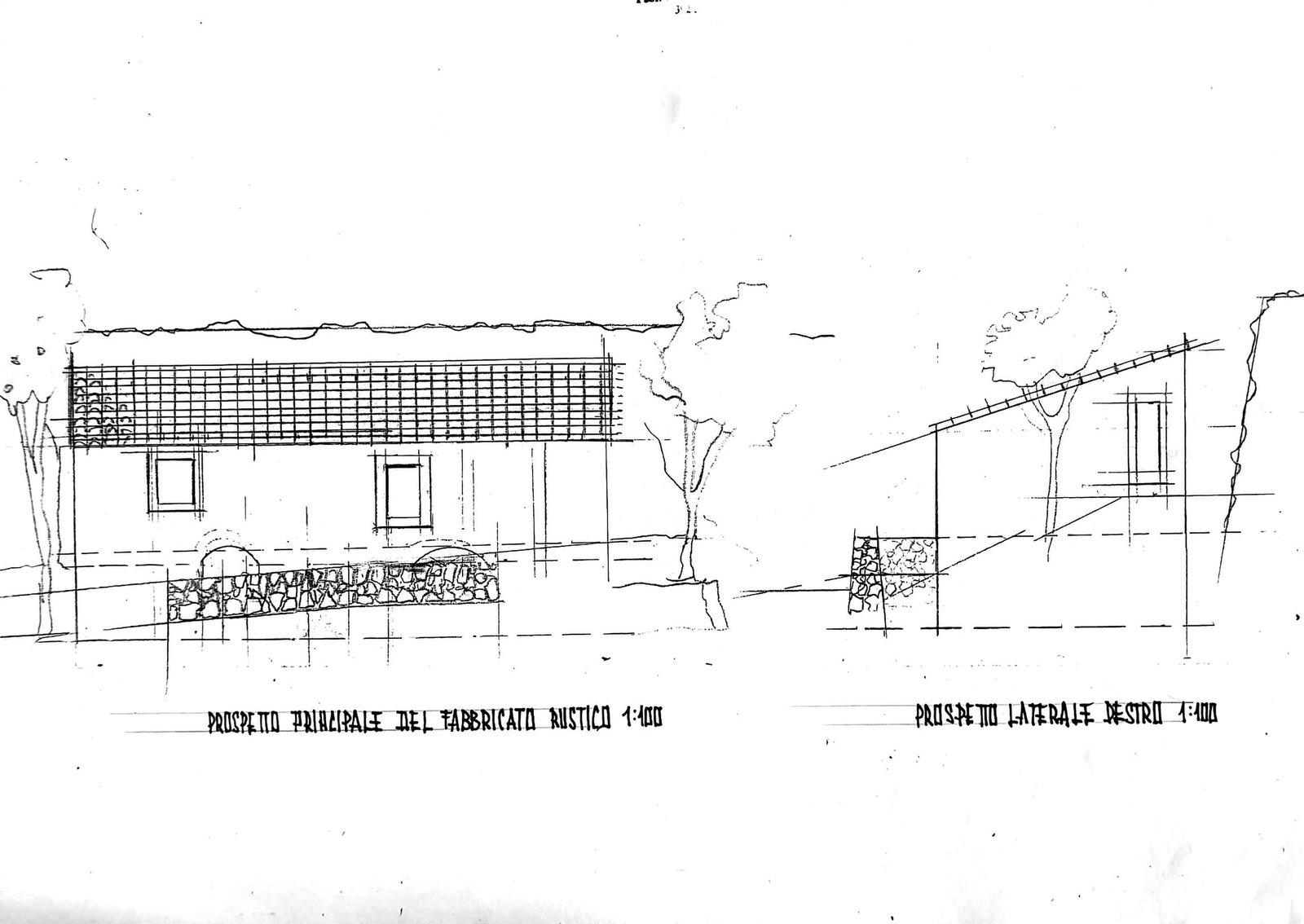
Hand-drawn elevation of the mill
THE ELEVATION
Hand-drawn plan with the water channels coloured in blue
THE WATER PLAN
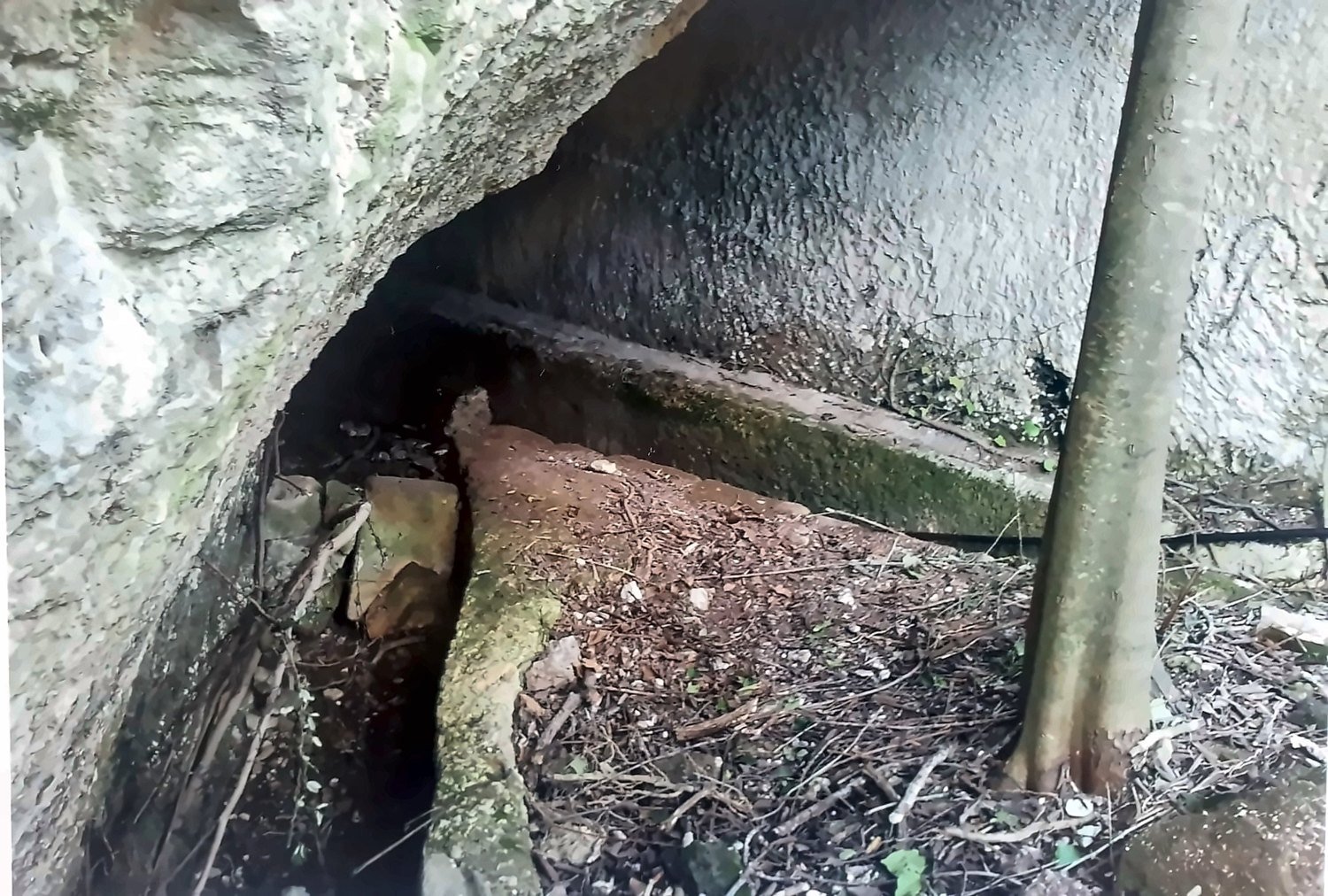
A water channel cut into the rock beside the mill
THE CHANNEL IN THE ROCK
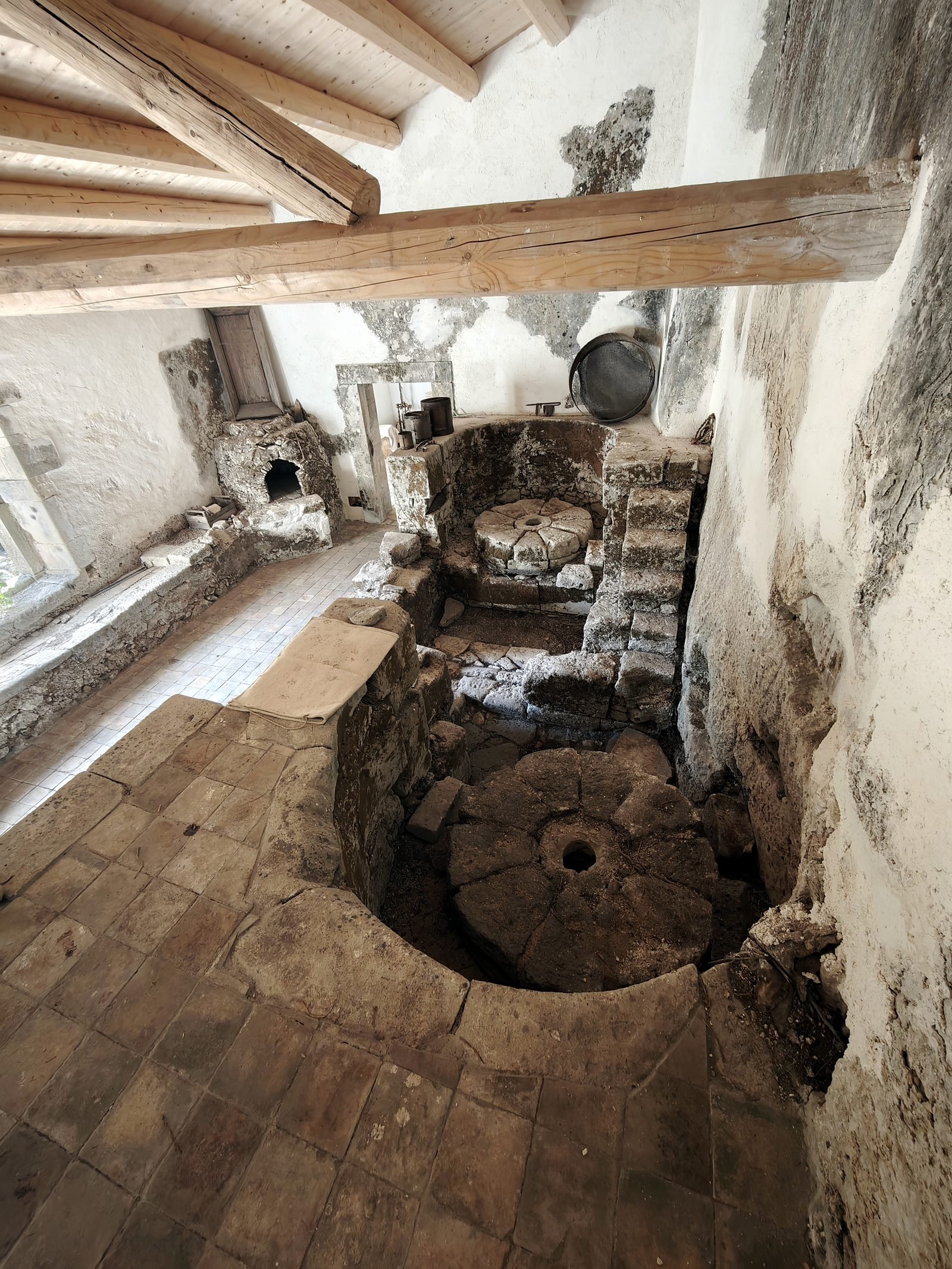
The old millstone room seen from above
THE STONE ROOM
The segmented old millstone from above with grain measures and a sieve
THE OLD STONE
IITHE SUN MILL · 1956

Turning again, since 1956.

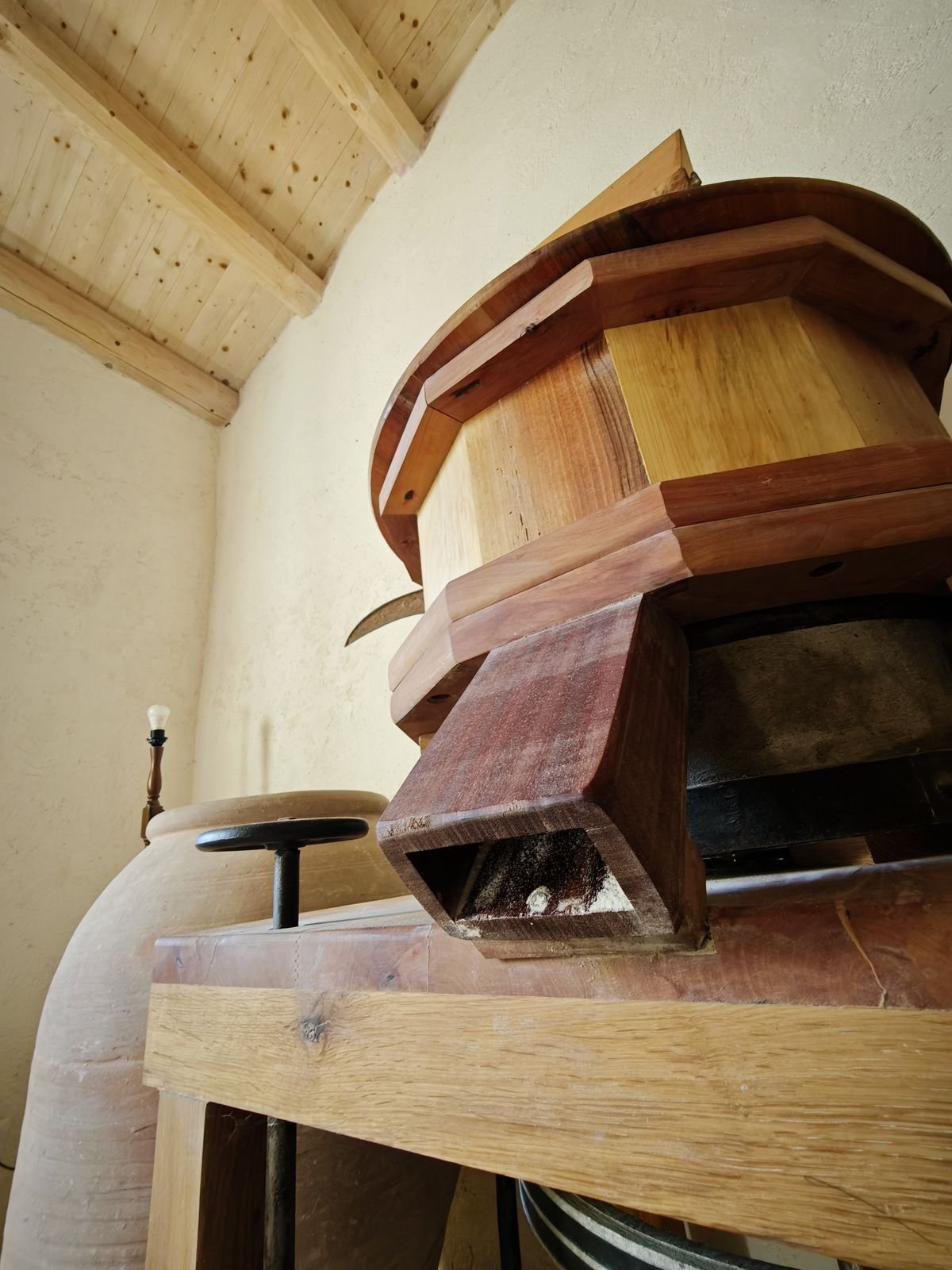
In an empty room of the same house stands a second mill: an electric granite mill from 1956. It was bought broken, with rotting wood, and restored plank by plank in oak and chestnut. Its stones and mechanisms are original, and it turns only for educational demonstrations.

EXPLORE THE SUN MILL →
The restored 1956 mill seen through the old stone doorway
THROUGH THE DOOR
The oak and chestnut casing seen from below
THE CASING, FROM BELOW
The wooden casing with the hopper and a scythe-shaped handle
THE CASING
BEFORE AND AFTER

From ruin to restored mill.

Slide each photograph to move from before to after.
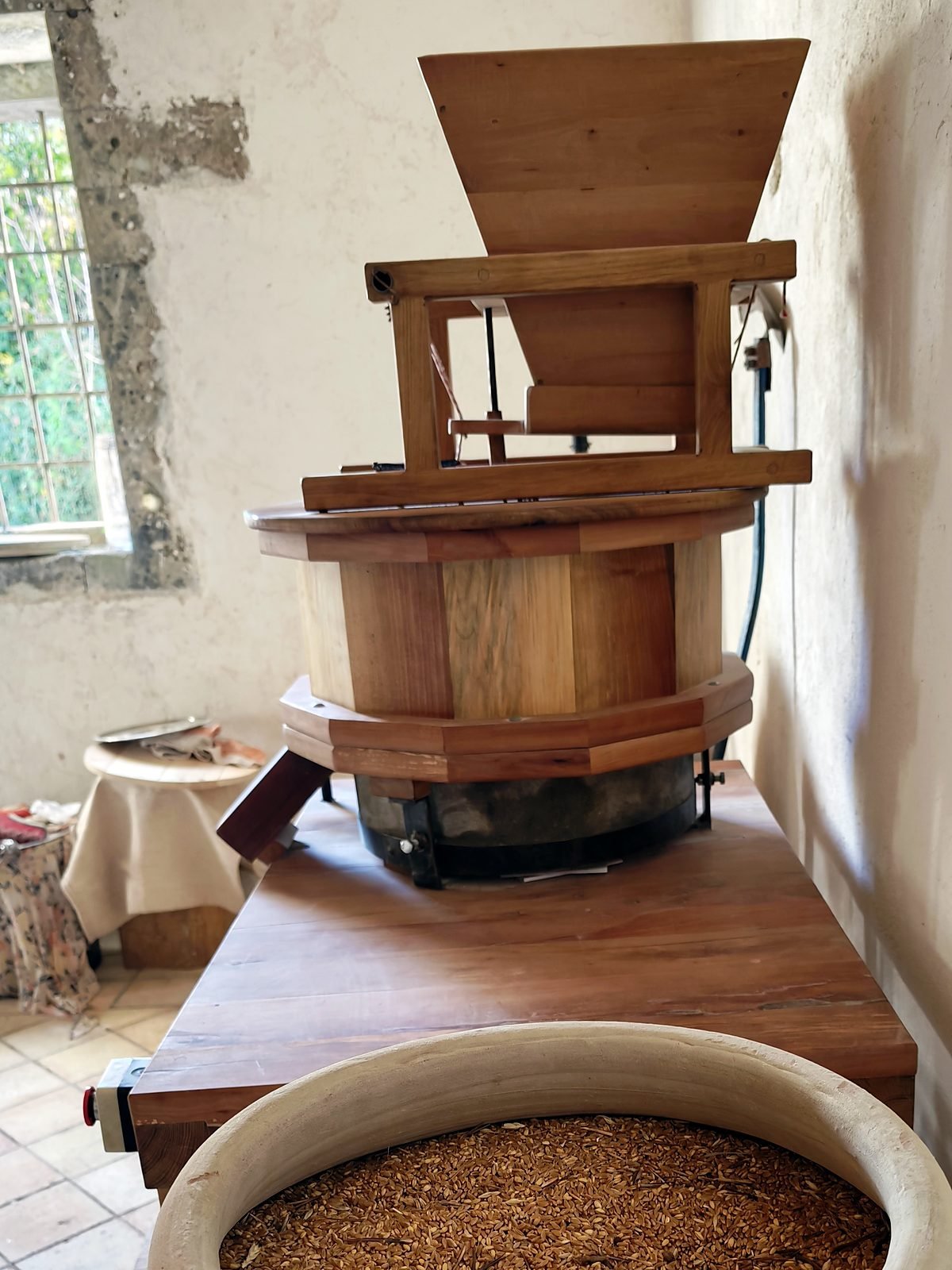
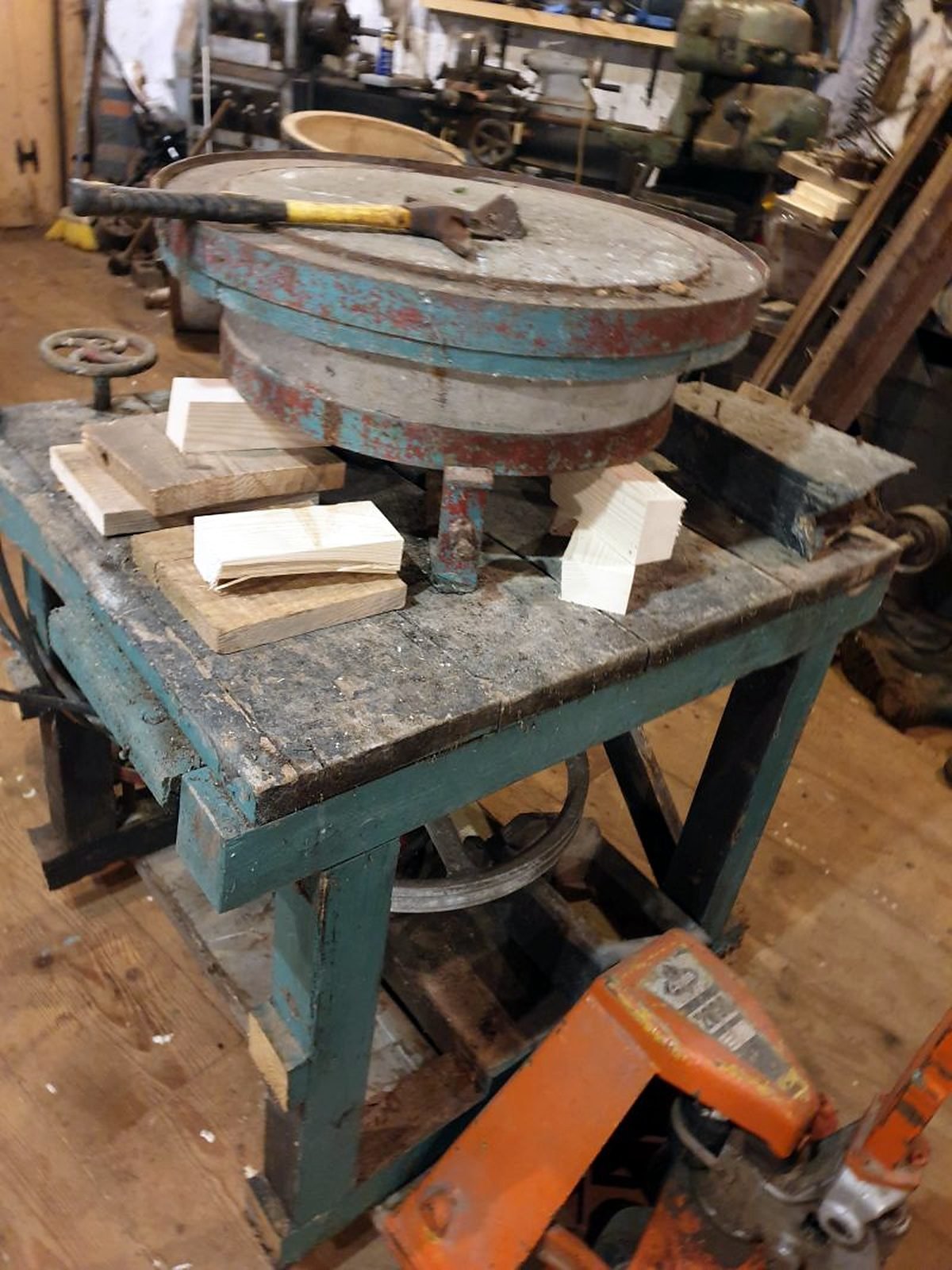
The restored 1956 mill The 1956 mill on a workbench before restoration
↔
BEFORE AFTER
The 1956 machineFound on a teal workbench, then restored in oak and chestnut.
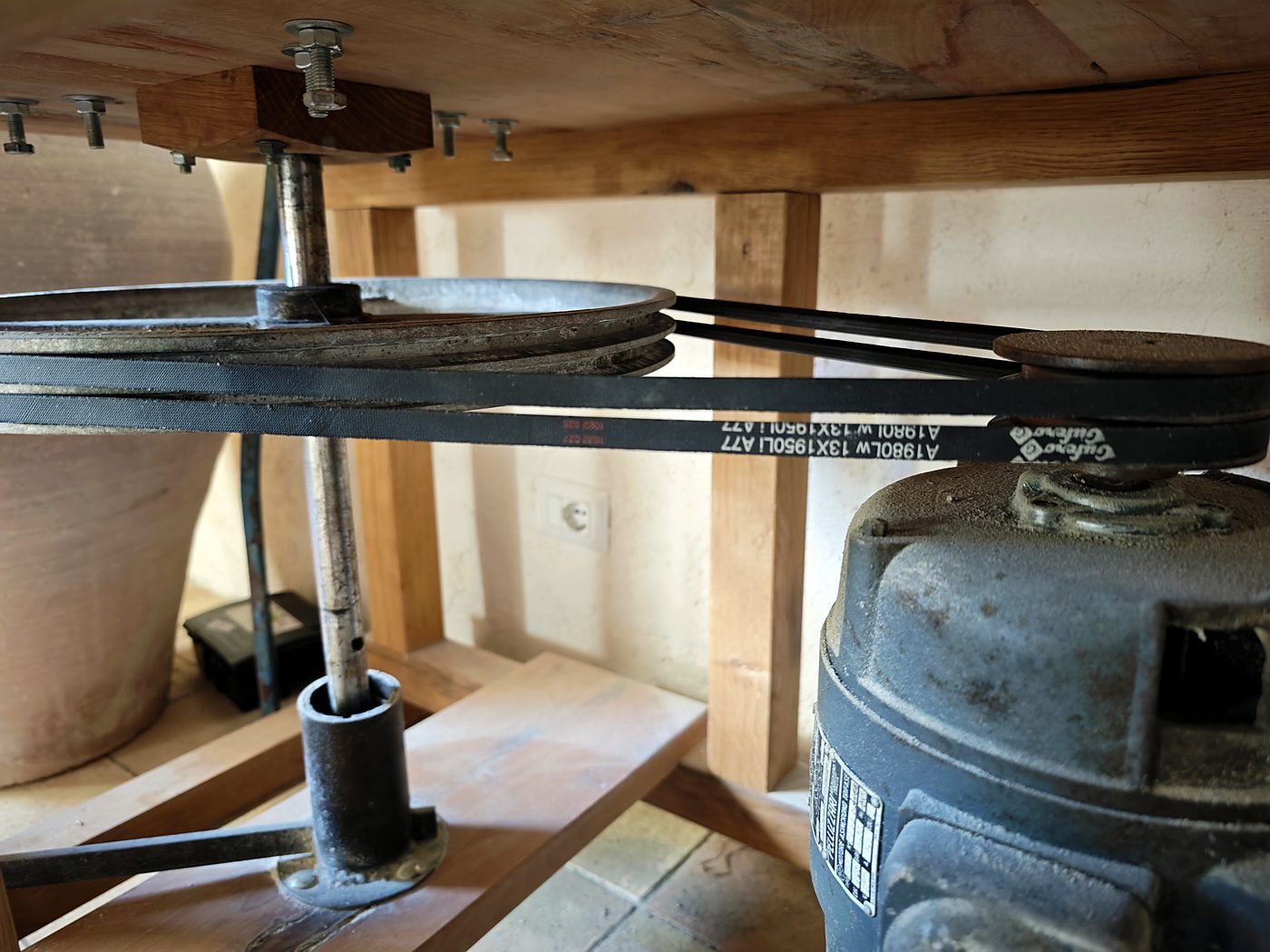
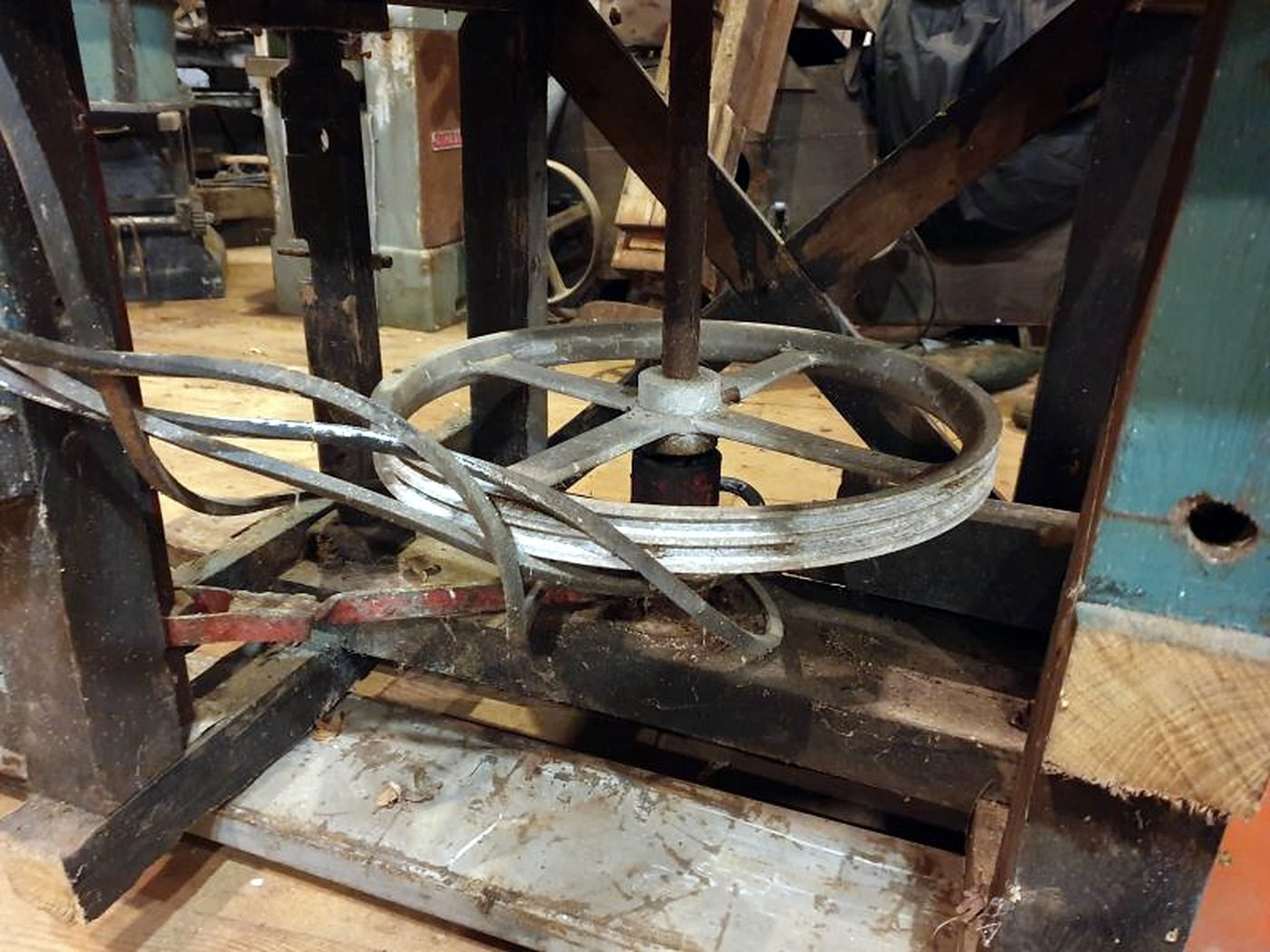
Belt and pulley after restoration Old belts and pulley before restoration
↔
BEFORE AFTER
Belt and pulleyThe drive, cleaned and rebuilt under the new oak table.
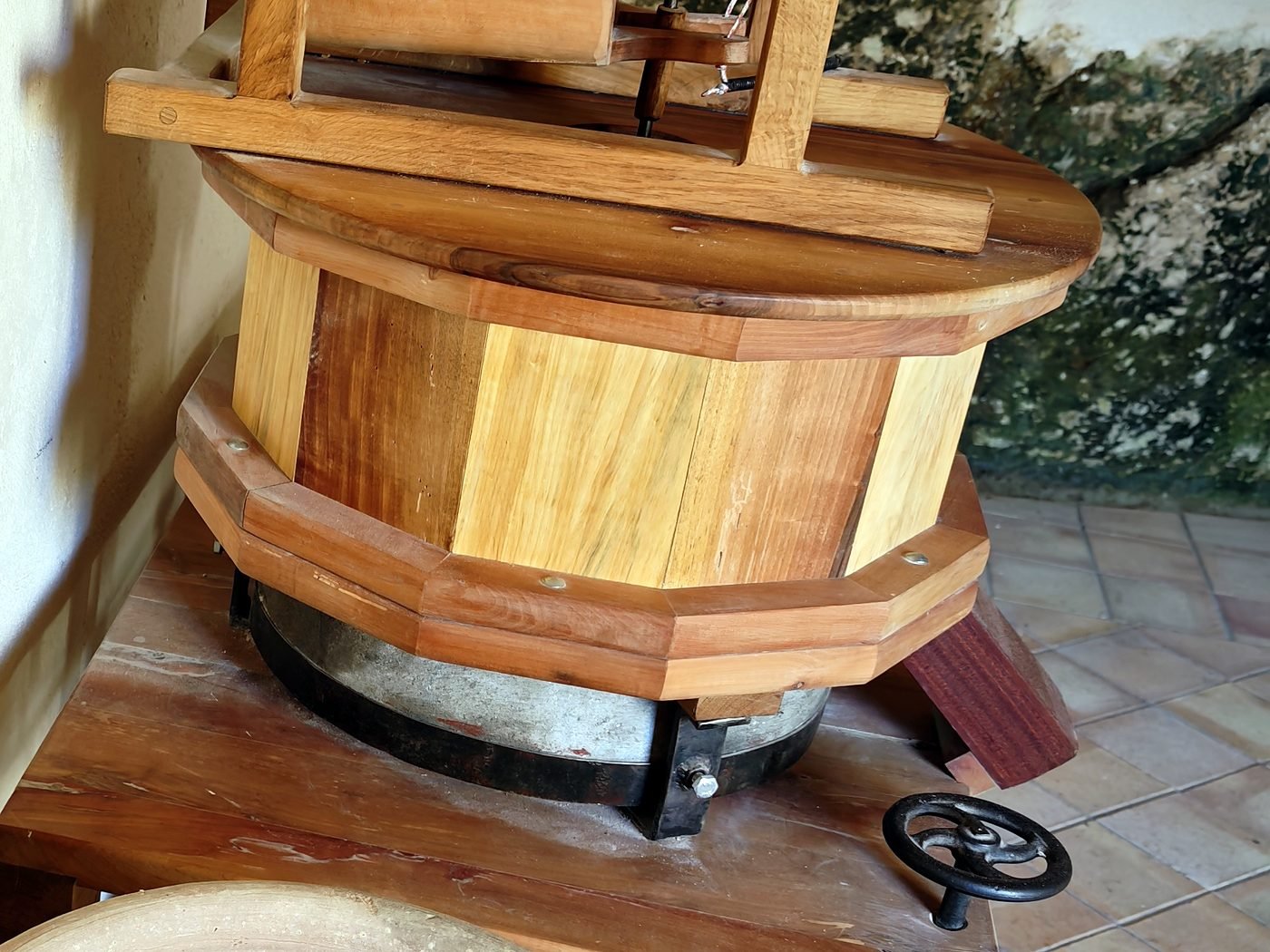
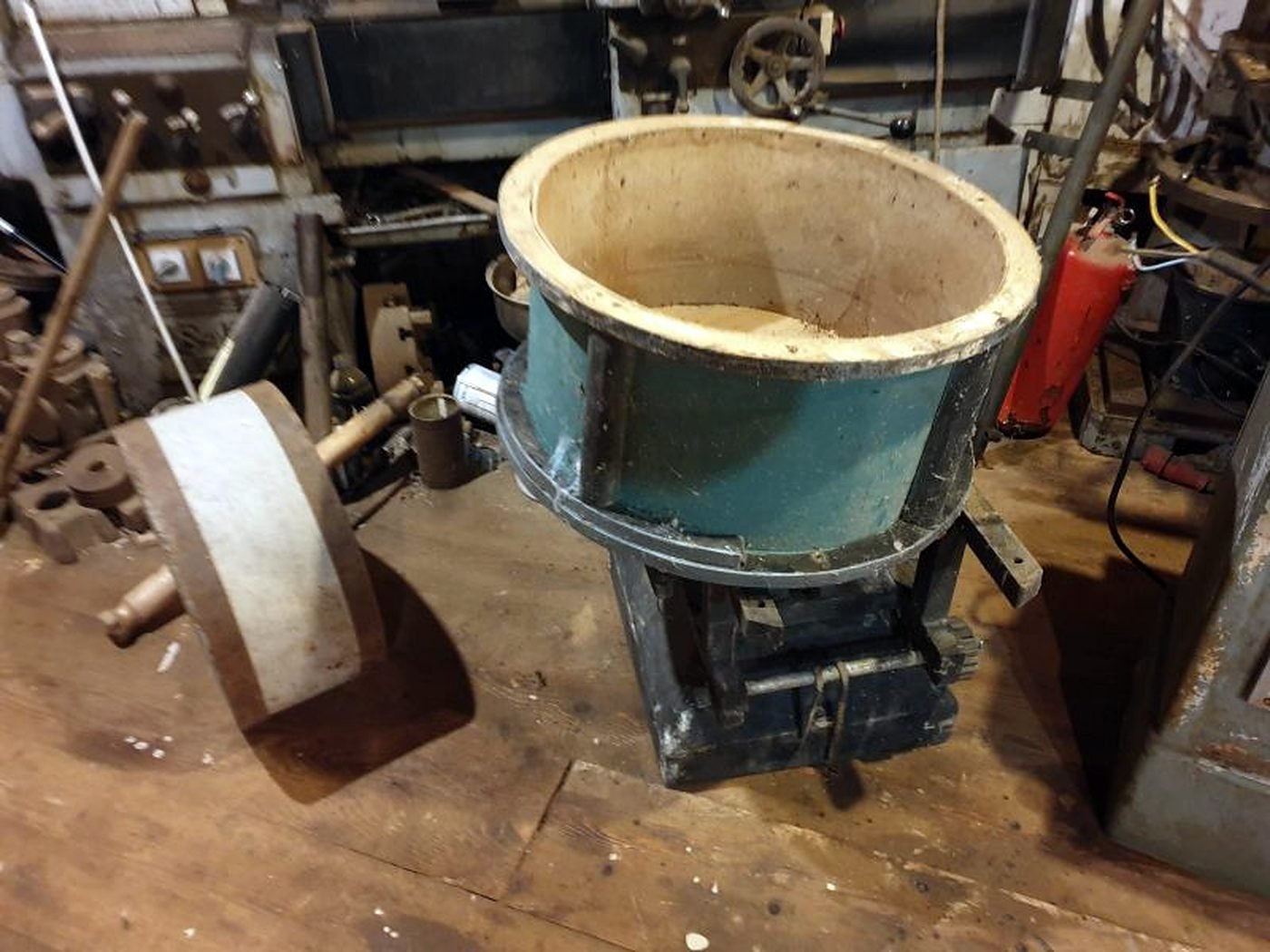
The stone casing after restoration The stone casing before restoration
↔
BEFORE AFTER
The stone casingA rusted teal tub becomes a casing of chestnut and oak.
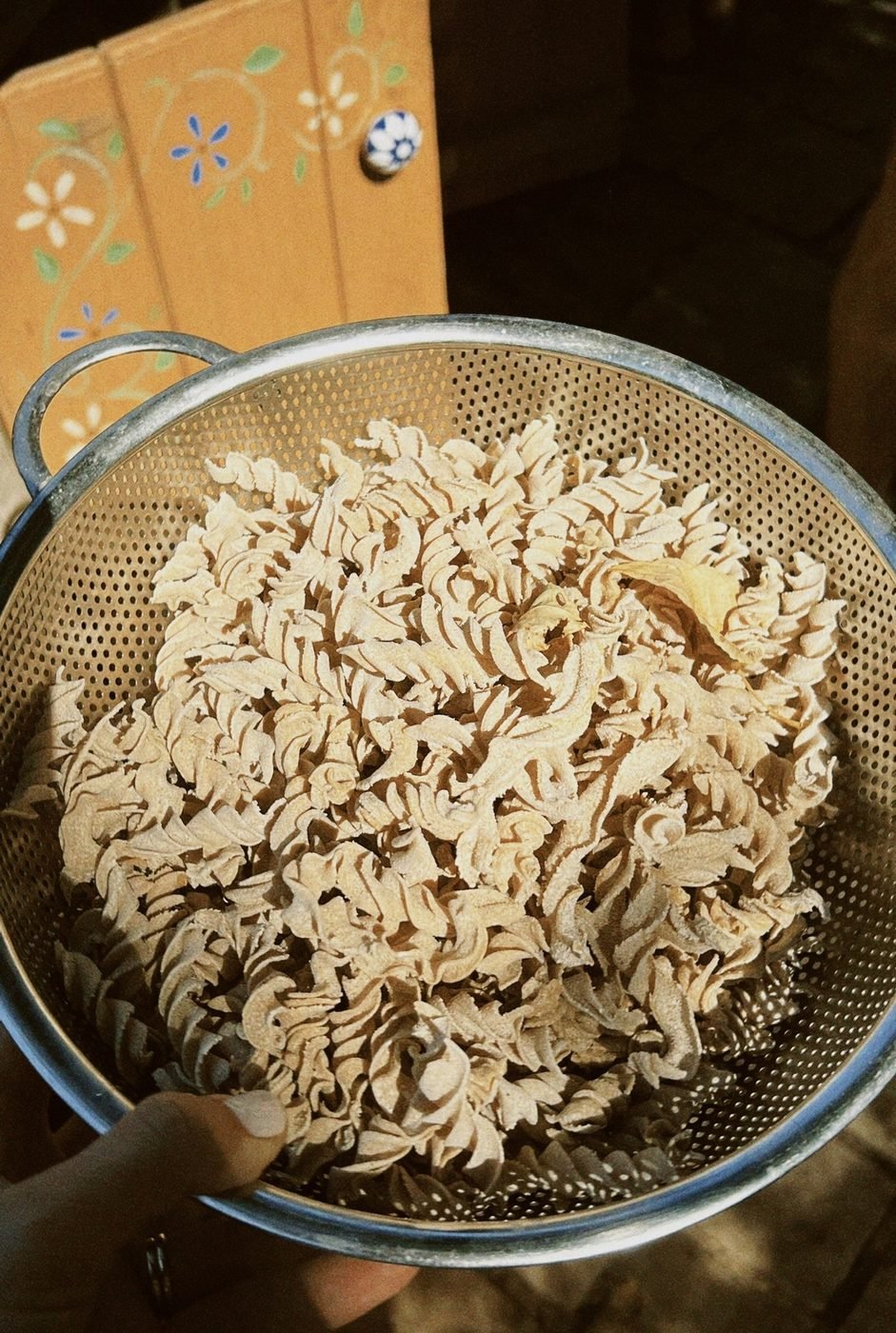
Fresh fusilli in a colander
IIILABORATORY OF TASTE

From the grain to the table.

In the educational laboratory of the mill, visitors follow durum wheat from the field to the stone, and learn how it becomes bread, pasta and pizza.

BreadPastaPizza
DISCOVER THE LABORATORY →
IVMUSEUM ARTEFACTS

Tools of the wheat.

Objects of country life, kept where they were used: the board set with stones, the grain cleaner with its screw and sieve, the trough and the pick.

SEE ALL THE ARTEFACTS →
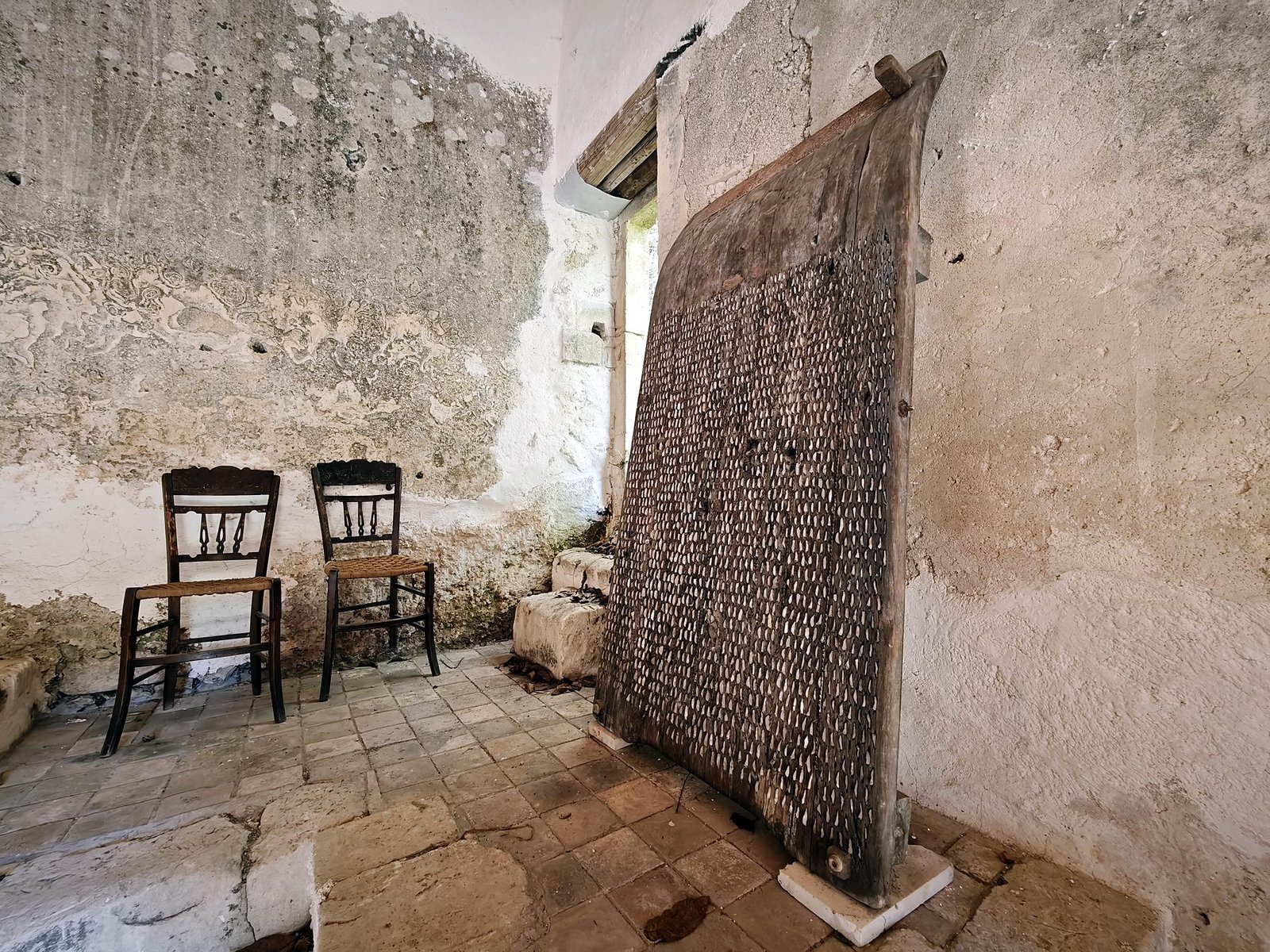
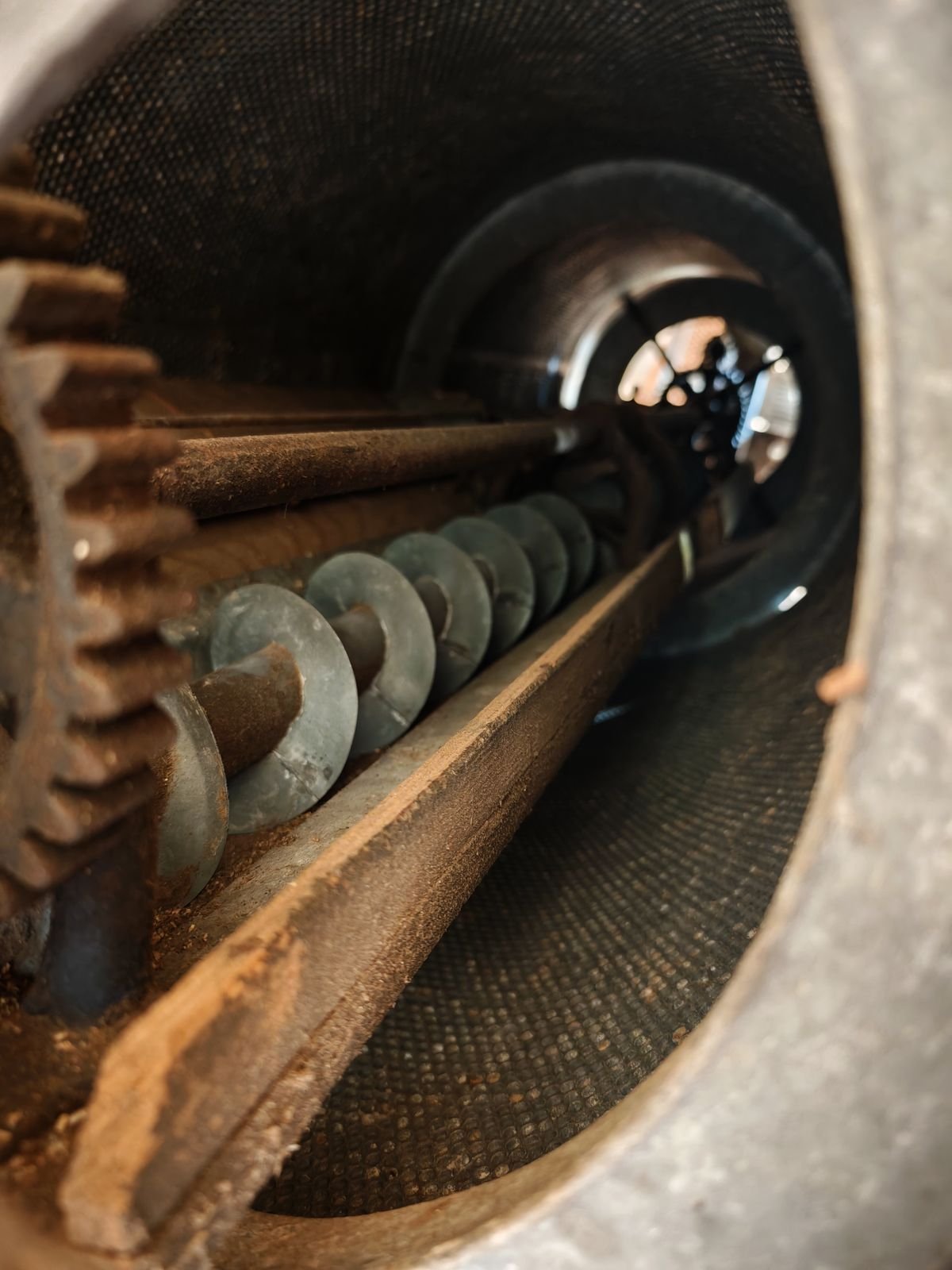
The board of stones leaning on the wall beside two chairs
THE BOARD OF STONES
Inside the grain cleaner: gear, screw and sieve
INSIDE THE CLEANER
The restored mill with its arched wooden door under a blue sky
Funded by the European Union, NextGenerationEU
FUNDING
Restored with European support.

Funded by the European Union through Italy's National Recovery and Resilience Plan.

PROJECTMulini Cava Cinque Porte
PROGRAMMEPNRR M1C3, Measure 2, Investment 2.2
FUNDED BYEuropean Union, Next-Generation EU
CUPG87B22001070004
CONTACT

Write to us.

ADDRESS Contrada Piano Milo, Noto, Sicily
EMAIL info@museumofagriculturalcivilization.org
CONTACT US